ZamZam Specials

Why Choosing the Right Blood Pressure Monitor Matters
Blood pressure is a critical health indicator, and monitoring it regularly can help you stay on top of your well-being. Whether you're managing hypertension, keeping an eye on your heart health, or simply staying proactive, having the right blood pressure monitor is essential. But with so many options available—from manual to digital, wrist to upper-arm—how do you choose the best one for your needs?
In Pakistan, where health awareness is growing, more people are investing in home health devices to track their vitals conveniently. However, not all monitors are created equal. Some prioritize accuracy, others focus on ease of use, and a few even offer extra features like memory storage or voice reports. To help you make an informed decision, let’s break down the key factors to consider when selecting a blood pressure monitor.
Manual vs. Digital Blood Pressure Monitors: Which is Right for You?
One of the first decisions you’ll need to make is whether to go for a manual or digital blood pressure monitor. Each has its own advantages, depending on your lifestyle, budget, and health needs.
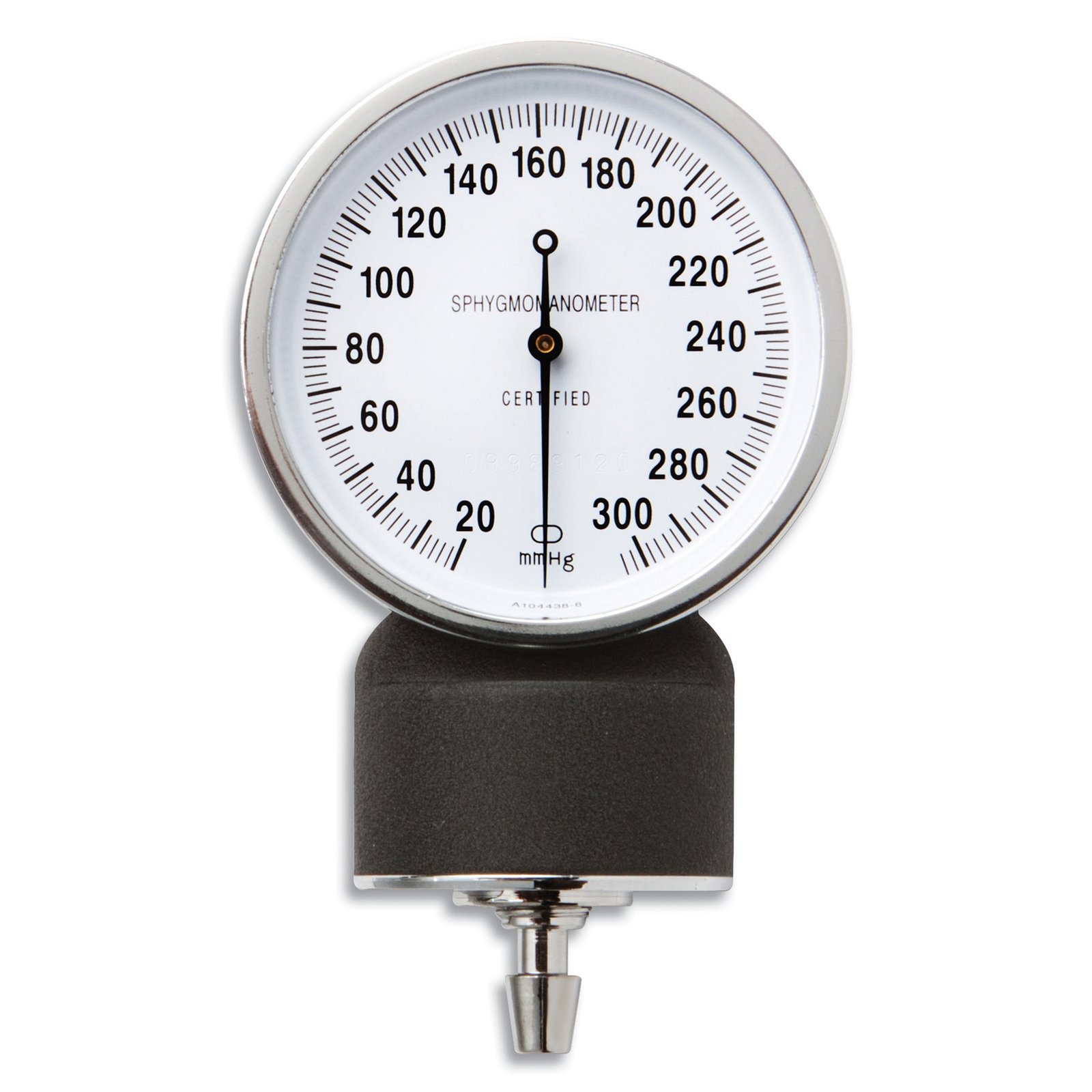
- Manual Monitors: These require you to use a stethoscope to listen to your pulse while inflating the cuff with a bulb. They are often more accurate and cost-effective but require a bit more skill and patience. If you prefer a traditional approach or are on a tighter budget, a manual monitor like the DivineCare Manual Blood Pressure Monitor Kit could be a great fit. These are also preferred by healthcare professionals for their precision.
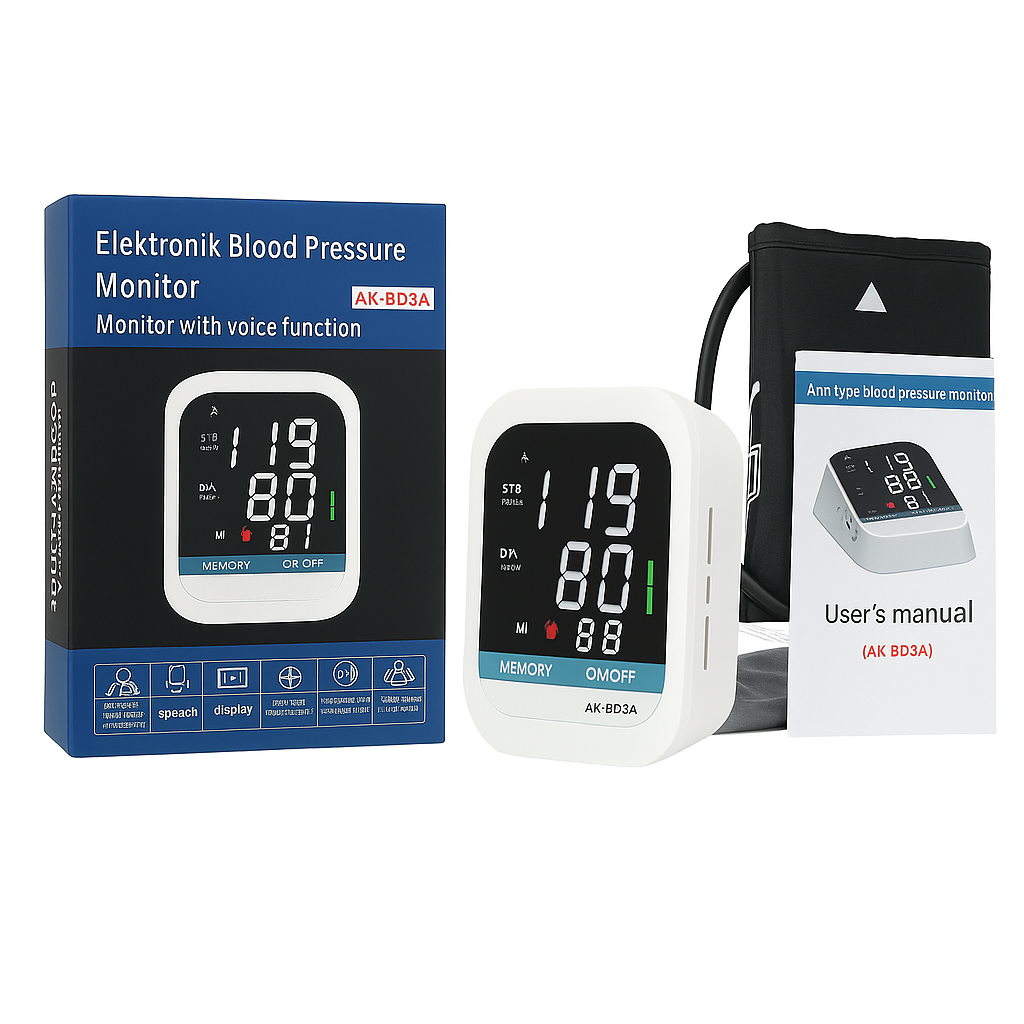
- Digital Monitors: These automatically inflate the cuff, measure your blood pressure, and display the results digitally. They’re ideal for those who want convenience, especially seniors or individuals with limited mobility. Digital monitors like the Electronic Digital Blood Pressure Monitor with Voice Report offer features like memory storage, voice guidance, and even heart rate detection. They’re a popular choice for home use due to their user-friendly nature.
If you’re unsure which type suits you best, consider your daily routine. Are you someone who travels often and needs quick, hassle-free readings? A digital monitor might be the way to go. If you prefer a more hands-on approach and don’t mind the extra steps, a manual monitor could be more accurate and reliable in the long run.
Upper-Arm vs. Wrist Monitors: Comfort and Accuracy Considerations
Another important factor is the type of cuff you’ll be using. Blood pressure monitors typically come with either an upper-arm or wrist cuff. Each has its own pros and cons:
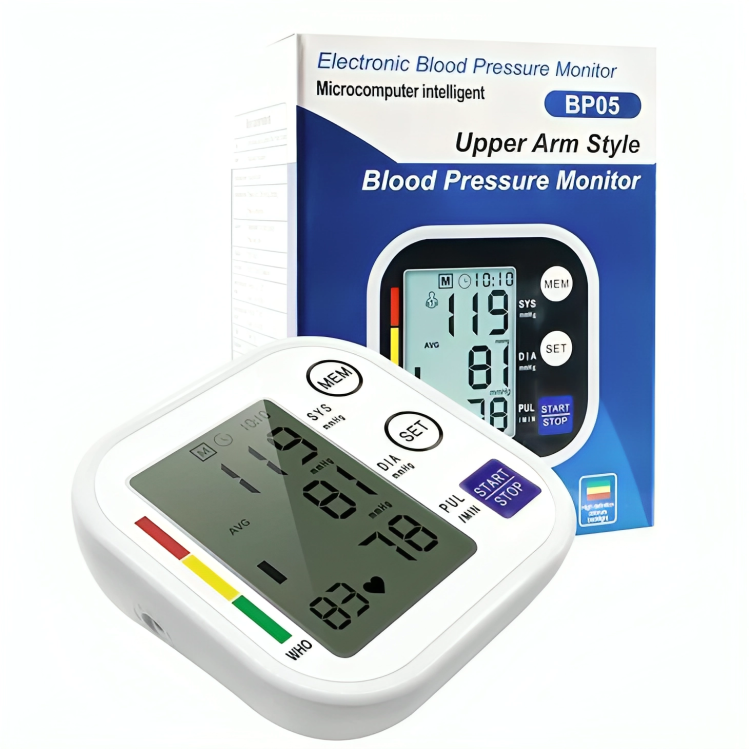
- Upper-Arm Monitors: These are generally considered more accurate, especially for people with larger arms or those over the age of 40. The cuff wraps around your bicep, providing a more stable and reliable reading. The Digital Blood Pressure Monitor BP05 is a great example of an upper-arm monitor that offers high accuracy and additional features like a large display and USB power option.
- Wrist Monitors: These are more portable and convenient for travel, but they can be less accurate, especially if not worn at the correct height (at heart level). Wrist monitors are often preferred by younger individuals or those who prioritize mobility over precision.
For most people, especially those monitoring blood pressure for health reasons, an upper-arm monitor is recommended for its accuracy. However, if you’re looking for something compact and easy to carry, a wrist monitor might still be a viable option—just be mindful of how you use it to ensure accurate readings.
Key Features to Look for in a Blood Pressure Monitor
Not all blood pressure monitors are created equal. Some come with features that can enhance your experience, while others are more basic. Here are some key features to consider when making your selection:
- Accuracy: Look for monitors that are clinically validated and meet international standards. For instance, the Certified Analog Blood Pressure Dial Gauge is designed for high accuracy and is a favorite among professionals.
- Memory Storage: If you’re tracking your blood pressure over time, a monitor with memory storage (like the Digital Blood Pressure Monitor AK-B03A) can help you keep records of your readings for easier sharing with your doctor.
- Voice Guidance: Some digital monitors, such as the one mentioned above, come with voice reports that guide you through the measurement process, making it easier for seniors or those with vision impairments.
- Portability: If you travel frequently, consider a monitor that’s lightweight and easy to carry. Wrist monitors are often more portable, but upper-arm monitors with compact designs (like the BP05) can also be a good option.
- Power Source: Some monitors run on batteries, while others can be powered via USB or AC adapters. If you’re often on the go, a monitor with multiple power options (like USB) can be very convenient.
- Heart Rate Detection: Some advanced monitors also track your heart rate, providing additional insights into your cardiovascular health.
Think about what features are most important to you. Do you need something simple and straightforward, or are you looking for extra functionalities to make tracking your health easier?
How to Ensure Accuracy and Reliability
Accuracy is the most critical factor when choosing a blood pressure monitor. Even the most advanced features won’t matter if the readings aren’t reliable. Here’s how you can ensure you’re getting an accurate monitor:
- Look for Clinical Validation: Reputable monitors are often validated by medical organizations or undergo rigorous testing to ensure their accuracy. Always check for certifications or reviews from trusted sources.
- Read User Reviews: Real user experiences can give you insight into how accurate and reliable a monitor is in everyday use. Look for reviews on platforms like ZamZam Specials or health forums.
- Consider the Cuff Size: Ensure the cuff fits your arm properly. A cuff that’s too small or too large can lead to inaccurate readings. Most monitors come with adjustable cuffs, but it’s still worth checking the size range.
- Calibration: Some manual monitors, like the Manual Blood Pressure Monitor with Stethoscope, may require occasional calibration to maintain accuracy. Digital monitors usually handle this automatically.
- Avoid Cheap, Unbranded Monitors: While it might be tempting to go for the cheapest option, low-quality monitors can give inconsistent readings. Investing in a reliable brand ensures better accuracy and longevity.
If you’re still unsure about a monitor’s accuracy, you can always compare it with readings taken at a healthcare facility or by a professional. This can give you peace of mind knowing your home monitor is reliable.
Maintenance and Longevity: Keeping Your Monitor in Top Shape
Once you’ve chosen your blood pressure monitor, proper maintenance will ensure it lasts longer and continues to provide accurate readings. Here are some tips to keep your monitor in great condition:
- Store Properly: Keep your monitor in a cool, dry place away from direct sunlight or extreme temperatures. Avoid storing it in damp areas like bathrooms.
- Clean Regularly: Wipe down the cuff and monitor with a mild soap solution and dry it thoroughly. Avoid using harsh chemicals that could damage the materials.
- Check Batteries: If your monitor is battery-operated, replace the batteries as soon as they start to weaken. Weak batteries can affect accuracy.
- Follow Manufacturer’s Instructions: Always refer to the user manual for specific care instructions. Some monitors may have additional requirements for maintenance.
- Replace Worn Parts: Over time, cuffs or other parts may wear out. Replace them as needed to maintain accuracy.
Taking care of your monitor not only extends its lifespan but also ensures that your readings remain consistent and reliable. A well-maintained monitor is a trustworthy tool for managing your health.
Where to Buy Blood Pressure Monitors in Pakistan
Now that you know what to look for, where can you buy a blood pressure monitor in Pakistan? ZamZam Specials offers a wide range of blood pressure monitors, from manual to digital, ensuring you find the perfect fit for your needs. Whether you’re looking for a budget-friendly option or a high-end monitor with advanced features, our collection has something for everyone.
Shopping online is convenient, especially with options like cash on delivery available nationwide. You can browse through our monitors category to explore different types, read detailed product descriptions, and check out customer reviews to make an informed decision. Plus, with easy order tracking and reliable delivery services, you can have your monitor delivered right to your doorstep.
If you’re new to online shopping or unsure about the process, don’t worry! ZamZam Specials provides clear return and delivery information to ensure a smooth experience. You can also check out our guide on choosing home essentials for more tips on making smart purchases.